Fine dining is more than just exquisite food—it’s a complete experience crafted through thoughtful details, professional service, and an atmosphere of sophistication. While trends in cuisine and presentation evolve, the foundational elements of fine dining remain constant across cultures and continents. Understanding what sets this style of dining apart can deepen your appreciation for the craft behind every course.
Exceptional Service: Precision Without Pretense
Fine dining service is defined by professionalism, attention to detail, and genuine hospitality. Servers are highly trained, knowledgeable about the menu, and able to explain dishes, wine pairings, and ingredients in a way that feels accessible rather than scripted.
What to expect from a fine dining service team:
- Napkin placement and table resetting between courses
- Synchronization of plate service across the table
- Wine service with decanting and explanation
- Staff who anticipate guest needs discreetly
Restaurants like The French Laundry and Per Se are known for setting industry standards in service excellence, offering guests an experience as polished as the food itself.
Menu Design: Tasting and Technique
Fine dining menus are often structured around tasting formats, such as prix fixe or multi-course options. These menus showcase the chef’s skill in layering flavor, texture, and seasonality. The dishes are frequently updated to reflect market availability and the chef’s evolving vision.
Techniques like sous-vide cooking, espuma foams, and fermentation are common in upscale kitchens. But just as important is restraint—fine dining celebrates balance and intention, not just innovation.
Ambiance and Setting
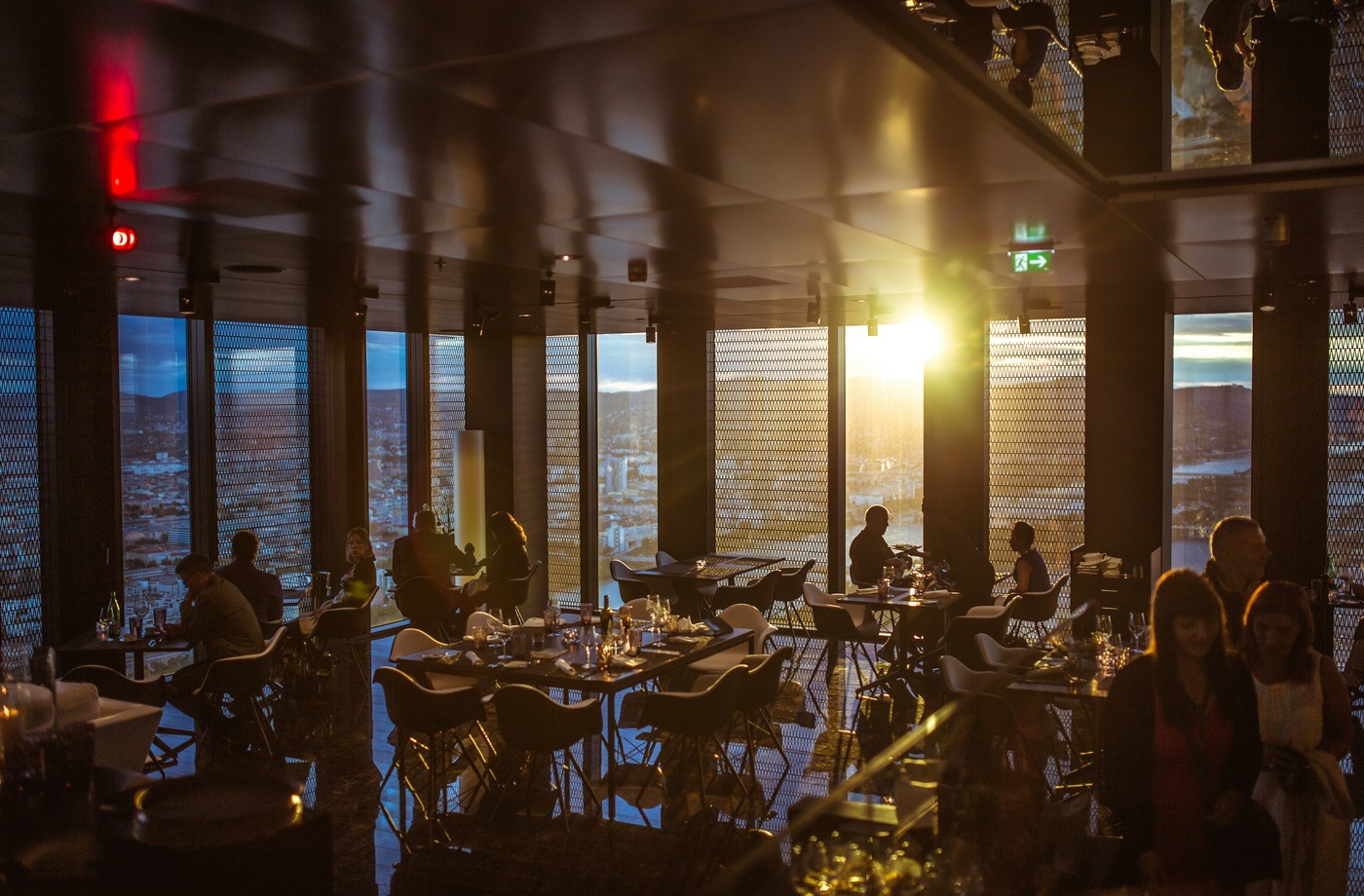
Ambiance is a defining factor. From lighting and music to table spacing and décor, the setting is curated to foster comfort and intimacy. Spaces like The Modern in New York or Core by Clare Smyth in London use architecture and minimalist design to let the food remain the focal point.
Details like candlelight, custom tableware, and even the scent of the room are considered part of the guest’s sensory journey.
Pacing and Flow
The rhythm of a fine dining experience is intentional. Courses are timed to allow conversation and digestion, wine pours are aligned with the dish in front of you, and transitions between dishes are smooth and unobtrusive. Guests are never rushed—luxury is found in unhurried enjoyment.
Ingredient Quality and Sourcing
A hallmark of fine dining is a commitment to top-tier ingredients. Chefs build relationships with local farmers, fisheries, and artisanal producers. In some cases, ingredients are foraged or grown specifically for the restaurant, as seen at Blue Hill at Stone Barns.
Sustainability and traceability have also become increasingly important, with more fine dining restaurants adopting ethical sourcing practices and earning recognition like the Michelin Green Star.
More Than a Meal
Ultimately, fine dining is about creating a moment. Whether it’s a celebratory occasion or a once-in-a-lifetime tasting menu, the goal is to transport the guest—to make them feel seen, cared for, and inspired.
While this blog does not highlight cashback tools, readers can find ways to enhance their fine dining journey affordably in previous posts, including strategies for saving through platforms like Fluz or by exploring prix fixe options during lunch hours.