In fine dining, the experience extends beyond the plate. While food is undoubtedly the centerpiece, the environment in which it’s enjoyed can elevate a meal from memorable to transformative. Art and architecture play a crucial role in shaping the ambiance, storytelling, and emotional resonance of high-end restaurants.
Design as a Culinary Companion
The architecture of a restaurant influences how guests perceive space, sound, light, and even flavor. A well-designed space enhances the flow of service, controls acoustics, and creates intimacy or grandeur as needed. Architects and interior designers collaborate closely with chefs to ensure that the dining room reflects the cuisine’s tone—minimalist, rustic, avant-garde, or luxurious.
At The Restaurant at Meadowood in Napa Valley (temporarily closed due to fire), the architecture emphasized a natural, forested serenity that mirrored its hyper-local menu. In contrast, Alinea in Chicago uses controlled lighting and modern design elements to support a theatrical, progressive culinary journey.
The Power of Visual Art
Many fine dining establishments treat their walls like galleries. Art isn’t filler—it’s curated to reflect the chef’s philosophy or cultural identity. At Eleven Madison Park, abstract pieces and clean lines complement its refined, plant-based menu. In Copenhagen, Noma integrates Scandinavian craftsmanship and nature-inspired artwork throughout its design, blurring the lines between dining and environment.
Some chefs go further, using art installations to challenge or surprise. At Ultraviolet by Paul Pairet, diners are immersed in a multi-sensory experience where light projections, sound design, and aroma pair with each course. Here, visual design becomes a core part of the culinary narrative.
Material Matters
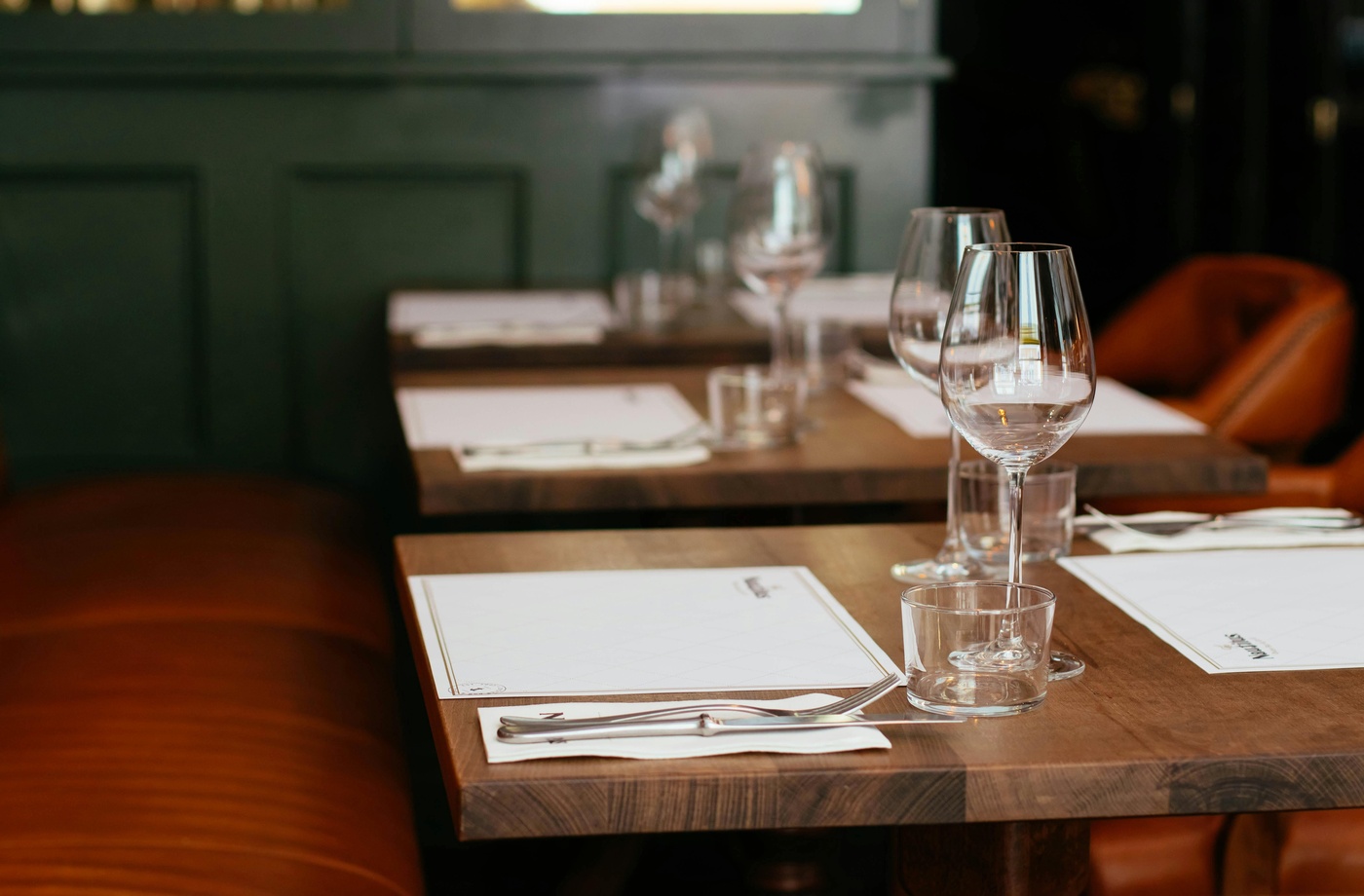
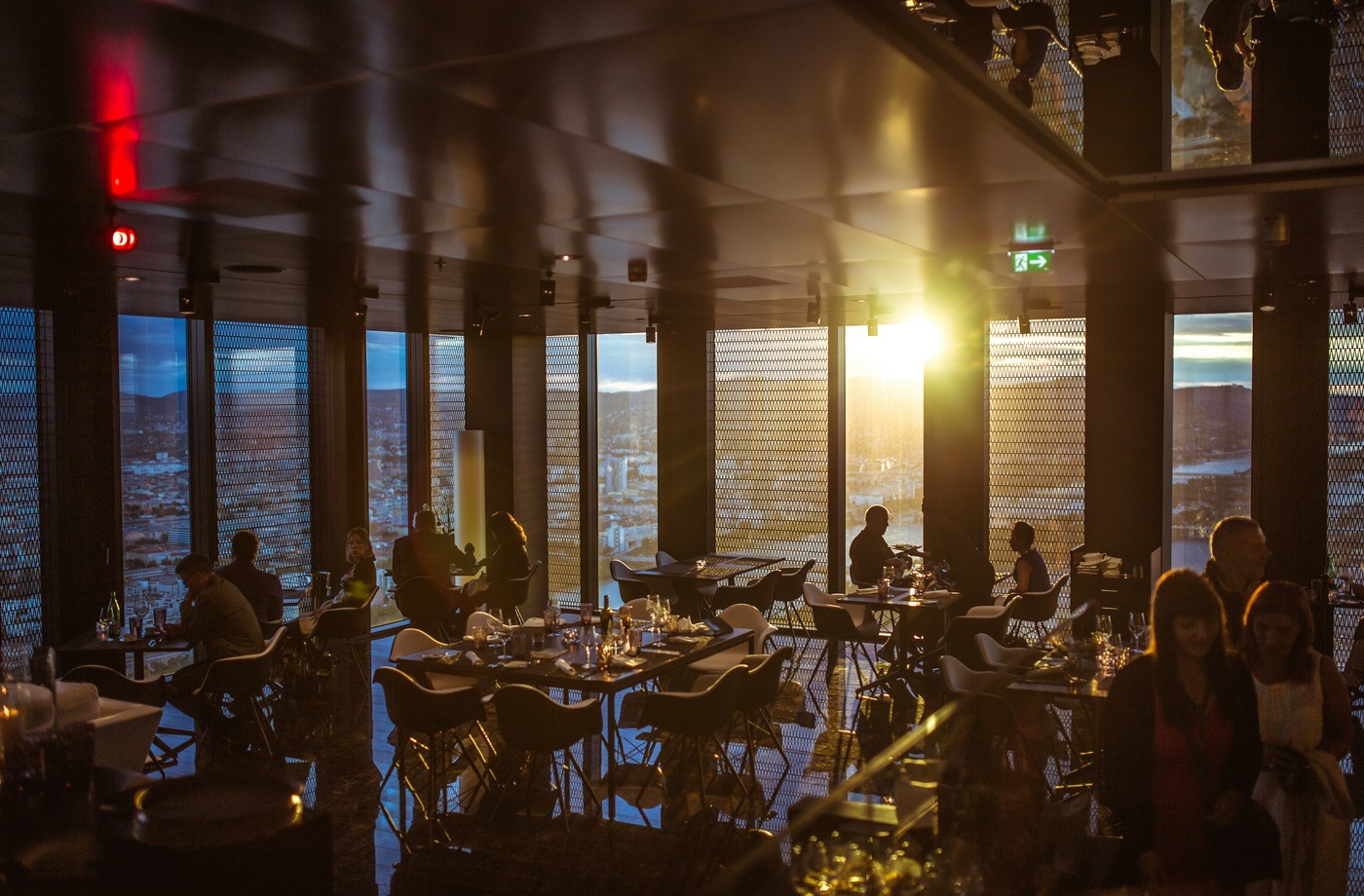
The choice of materials—wood, stone, leather, metal—has a subconscious impact on how diners feel. Natural textures can evoke calm and warmth, while glossy surfaces may create a more formal or futuristic vibe. Thoughtful lighting design also matters: low, warm light adds intimacy; bright, focused light may highlight plating or dramatic presentation.
Even tableware is a design decision. Handmade ceramics, etched crystal, and custom flatware all contribute to tactile luxury, reinforcing the attention to detail that defines fine dining.
Spatial Storytelling
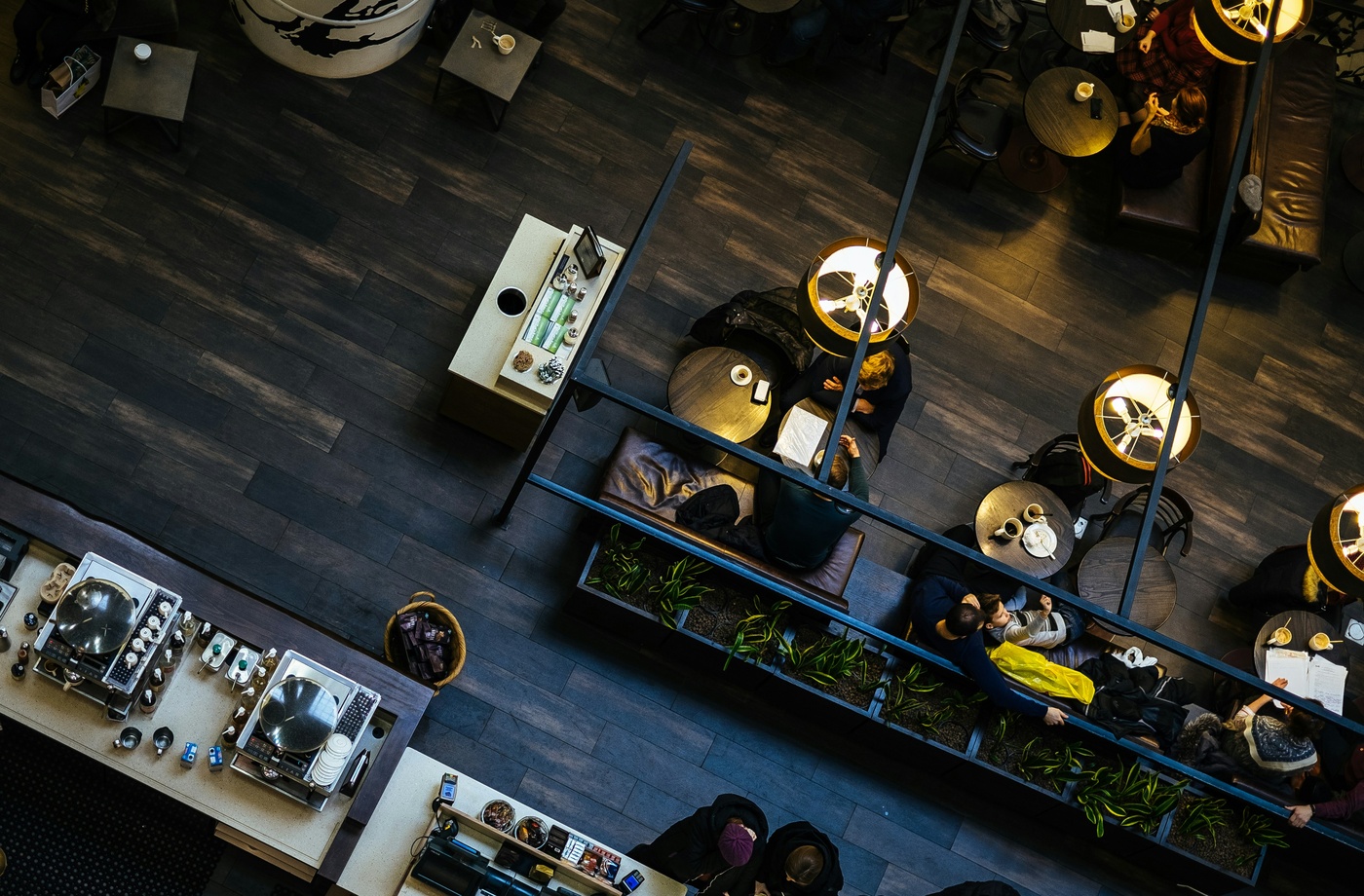
Some restaurants use their layout to guide diners through a journey. A tasting menu might begin in a lounge with canapés, continue in the main dining area, and finish with petits fours in a garden or terrace. This progressive design—sometimes called spatial sequencing—can mimic the structure of a meal and leave a lasting impression.
Global Examples of Design-Driven Dining
- Sketch London combines a Michelin-starred kitchen with ever-evolving art installations and whimsical interiors.
- The Jane in Antwerp, Belgium, resides in a renovated chapel, preserving stained-glass windows and altar structures while serving modern European cuisine.
- KOKS in the Faroe Islands integrates the wild, remote landscape into both its interior and culinary philosophy.
Conclusion: Design Is the Silent Partner
In the world of fine dining, architecture and art are not just backdrops—they’re storytelling tools that frame each dish, support service flow, and set emotional tone. Whether through minimalist restraint or bold visual statements, the best restaurants understand that design completes the sensory experience.