Multi-course dining is a hallmark of fine dining, rooted in centuries-old European traditions—most notably, the French. From amuse-bouche to dessert, each course is carefully planned to create a culinary journey that emphasizes progression, variety, and balance. For those unfamiliar with this format, understanding each course’s role can transform the dining experience from a meal into an art form.
The Classic French Dining Structure
While the number of courses can vary, traditional French fine dining often follows this sequence:
- Amuse-Bouche
A bite-sized hors d’oeuvre served before the meal begins. The amuse-bouche is not ordered from the menu—it’s the chef’s gift to showcase creativity and set the tone. Think truffle foam on a spoon or a single perfect oyster with mignonette. - Entrée (Appetizer)
In France, entrée means the first course, not the main dish. This is usually a light starter such as a salad, tartare, or seasonal soup. Ingredients reflect the time of year and the chef’s style. - Poisson (Fish Course)
Often reserved for longer tasting menus, the fish course is delicate and refined, like a butter-poached cod or seared scallop with a citrus emulsion. Balance is key—flavors should be subtle and textures precise. - Plat Principal (Main Course)
The centerpiece of the meal. This is typically meat-based (beef, duck, lamb), served with a rich sauce, starch, and vegetable garnish. Vegetarian main courses in modern fine dining may include mushroom risotto or eggplant mille-feuille. - Fromage (Cheese Course)
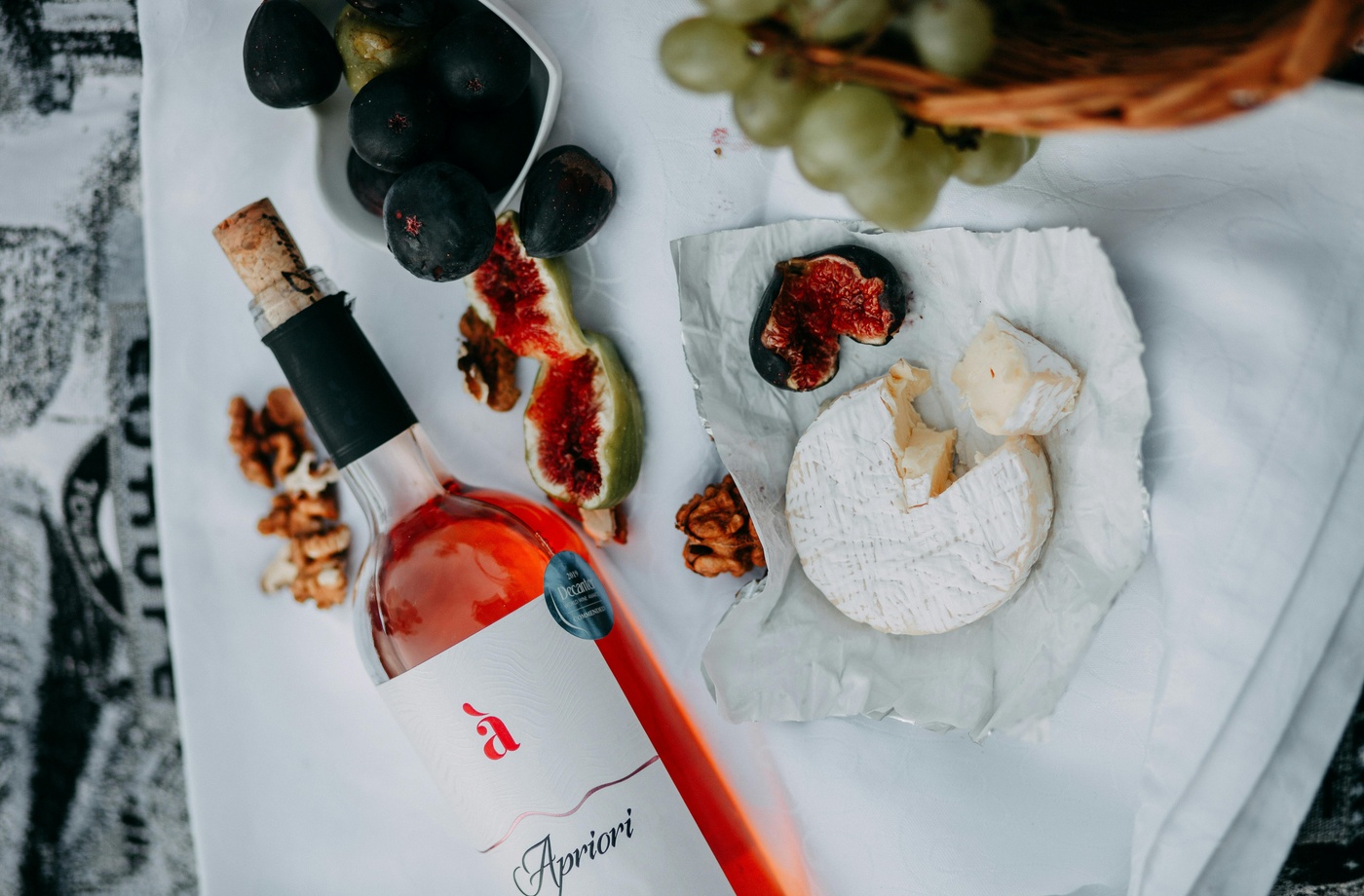
A distinctly French addition, the cheese course bridges savory and sweet. Served with bread, jam, or honey, it’s an elegant intermission before dessert. Popular selections include Comté, Roquefort, or Brie de Meaux. - Dessert
A final flourish that may include a plated dessert (like a chocolate soufflé), petit fours, or a multi-component tasting. Sugar is used with restraint—elegance outweighs decadence. - Mignardises
Small sweets like macarons, truffles, or pâte de fruit served with coffee or tea. These are the last impression of the meal, signaling a graceful end.
Why Pacing Matters
Each course builds upon the last in flavor intensity and complexity. The pacing allows diners to appreciate each dish and digest slowly. Meals can last anywhere from 90 minutes to over three hours, depending on the number of courses and the restaurant’s service style.
Modern Interpretations
While the traditional French format remains influential, many chefs adapt it with global flavors or omit certain courses. Restaurants like Le Bernardin in New York offer modern tasting menus that still honor the rhythm and refinement of multi-course structure.
Fine dining institutions often balance heritage and innovation. Some menus may skip the cheese course, while others may add a palate cleanser (like a citrus granita) before dessert.
Where to Experience It
If you’re curious to try a classic tasting menu, look for restaurants that offer prix fixe or multi-course menus. Use platforms like OpenTable and Resy to search by tasting menu options or filter for French fine dining.
For home chefs, replicating a multi-course format can elevate a dinner party or special occasion. Plan your courses thoughtfully, and source quality ingredients—many of which can be found at gourmet markets.
While this blog does not include cashback platforms as a central focus, past entries highlight how tools like Fluz may help offset costs when purchasing gift cards for upscale restaurants or specialty grocers.
A Culinary Tradition Worth Experiencing
Multi-course dining is a celebration of technique, timing, and taste. It transforms food into narrative—one that unfolds course by course, leaving a lasting impression long after the final mignardise is served.